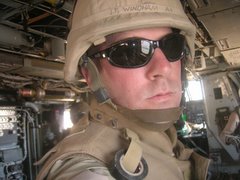
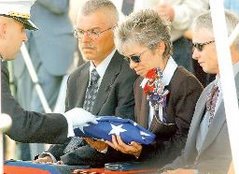
Southern black boy.
But that wasn’t it. Mama
and what she taught you. She, left
alone then. No mention of a daddy
crossed your lips,
not part of a printed obituary
I fail
to find.
I knew you
as Sumlin. You
addressed me as Specialist Austin.
Not as others
the sound of your voice,
though I fail
at the distinction you
chose.
Tense
times at S-4, race
issues and sexual
harassment
may exist
in the army but they do not
exist at 536th. He,
the Light Bird had said.
For you and one
other, he was right. Not
counting me of course, I
didn’t see color, but felt
it instead, in my
pale and Caucasian
wrongness
with a family you didn’t hold against me.
So it was you who returned
to help Specialist Austin
for three short weeks
in the rear. And you fell
in love or lust, I know not
which. And too, I don’t remember,
did I request you? Perhaps
you offered.
Indeed you did return that day
to an empty motor pool save
you, me, and SFC Cooley, and yes, Aaron
who our NCOIC paid
five cents for each one by two
or two by four. Aaron grabbed each,
took one, maybe more, green lumber
boards from your own hand.
That day, hot like the rest of them, and Aaron
camouflaged in combat boots and olive drab
counted nickels in his head and you
ticked off time and yet smiled somewhat
at the slowness of it all. Never dreaming
this night underneath
a blanket of stars to birth one more night of tropical
romance would be your last.
Later, the third grader wrote a letter
to your Mama, I remember the tears streamed from eyes
I yearn for today as he wrote, “I’m sorry your son died
and he was my very best
friend.” But not before you and SFC Cooley
shared a meal with the three of us at 377B, I think
of macaroni and tomatoes, I’m not certain any longer.
We ate it so much then.
In a cold S-4, some days later, checking
some form, counting your clothes, touching
things personal. An invasion.
I thought of your poor Mama,
opened, flipped
through and packed your small green New Testament, counted, signed
and dated the rest. Drew the line on the form before and after
--------Nothing Follows--------
Showing posts with label FOTF: Panama. Show all posts
Showing posts with label FOTF: Panama. Show all posts
Saturday, June 23, 2007


Friday, June 22, 2007
FEMALE ON THE FLOOR!: the Island of Flowers in the Bay of Panama

some History of Isla Taboga
Isla Taboga has known the fury of marauding pirates, the intolerance of the Conquistadors, the boldness of the Gold Rush adventurers, and the glory of being the birthplace of a saint. Through it all, the island has remained its tranquil self.
 PT Boats in World War II. During World War II, the U.S. Navy had a "mosquito boat" training base on the tiny island of El Morro just off Isla Taboga's northern shore. The heroic record of these boats in the Pacific Theater of War proved the efficiency of the officers and sailors on El Morro. Isla Taboga was also the site of attempted Japanese espionage when spy Yoshitaro Amana, head of a Japanese spy ring, tried to set up a commercial business on Isla Taboga so that the Japanese could ascertain what ships were transiting the Panama Canal. He was discovered in a sting operation and deported back to Japan. As well, gun emplacements at strategic points on Isla Taboga and lookout points atop El Morro made it possible to increase the security of the Panama Canal.
  Isla Taboga and the Panama Canal. The island also played an important role in the construction of the Panama Canal. In the 1880s, the French constructed a 50 bed, $400,000 retreat for their canal workers attempting to build a canal. This same building was taken over by the United States in 1905 and used as a rest and recuperation center for Panama Canal construction workers. It served this purpose until January 1915, when it became a vacation resort for employees and their families and was known as Hotel Aspinwall. During World War I, Aspinwall became an internment camp for German prisoners. After the war it was once again the hub of Taboga's social life until 1945. Aspinwall is gone but many still recall this hotel and the part it played in social activities of that by-gone era.
  The US presence on Isla Taboga in recent Panamanian history is a treasured past for the island and for Taboganos. Military and Civilian personnel integrated themselves with island life and performed many services for Isla Taboga which included improving its infrastructures and providing medical assistance. They brought entertainment to the island as well by creating an outdoor cinema, participating in sports, and constructing the island pier to serve visitors. Taboganos old enough to remember recall with enthusiasm the days of US Military presence on the island.
  Isla Taboga's wholesome, healthy atmosphere has been recognized since colonial days when Panama City residents flocked to the island for a respite from the city heat. On several occasions throughout its history, Isla Taboga has been un-officially the summer capital of Panama City. Each weekend, people from many parts of the world visit its tranquil environs, swim in its tropical waters, stop to smell the roses.
 This is Taboga Island as we knew it. It was a neat little village with white sandy beaches. I got stung by a jellyfish here once. I still have some jewelry that I bought here. One is a beautiful mother of pearl bracelet that I paid $5. for.
Aaron flirted with girls here on this Island. Some girl about 16 or 17 called him "Baby" and he was hooked for the remainder of the weekend. The third grader loved girls as much then as ever he did! ;0
And this too, is where Sumlin lost his life, impressing a new found love himself. For her, he went out on the waters he was deeply afraid of. A novice at romance, Sumlin, shy but anxious, was too embarrassed to tell the Panamanian beauty that he couldn't swim and was afraid of the water. Her life was spared, but Sumlin lost his.
My NCOIC called on me to go with him to Gorgas to identify Sumlin's body the next morning. I've heard that drowning turns into a pleasant death. Sumlin, left exactly in the state he died in, tube still inserted in mouth, those eyes, still open, unbelieving and wild, the eyes of a 21 year old from Alabama said different.
More to come....
FEMALE ON THE FLOOR! Taboga Island 1
 Santa Rosa de Lima was conceived on Isla Taboga. The first saint of this hemisphere, was born on Isla Taboga. According to Taboga historians, the parents of the young girl who was later to be canonized lived in a charming house on the beach near Playa Hondo on the northern side of the island. The house still exists today, although somewhat modernized. Later, the family moved to Peru where Peruvians refer to the saint as Santa Rosa de Lima de Taboga. She was known best for her humility and kindness to those in need. Her caring nature spread quickly, and the sick, the lame, and the suffering came to her for comfort and guidance for their salvation. She is also known in many other parts of South America and in Mexico and also in the Philippines.
Welsh Buccaneer Henry Morgan plundered Isla Taboga. Beginning in the latter part of the 16th century, many came to the shores of Isla Taboga in a search of gold, pearls, and other riches of the seas. Pirates were among them. In 1671, Morgan, after sacking Panama City, sent his pirates to the island with instructions to burn everything to the ground and bring back all the gold, silver, and merchandise worth its salt. Hawkins is said to have turned the island into a trading center for his plundered goods. More pirates came to Isla Taboga, and logic says buried treasure must abound. In 1998, that logic panned out when workers preparing to set the foundation for the island's new Health Clinic unearthed 1000 pieces of silver dating back to the 17th century.

Post-impressionist painter Paul Gauguin. In 1887, after working a short stint for the French effort to build a canal, the French Post-impressionist painter Paul Gauguin came to Isla Taboga looking for a place to paint far from parisian fanfare and conventionalities. Some say he tried to buy a house on the island using his Peruvian grandmother's money. Perhaps we can say the island life wetted his appetite for the simpler things in life, as reflected in his use of bright colors and flat perspective. From Isla Taboga, Gauguin went to French Martinique before moving on to Tahiti where the subjects for his paintings later brought him fame and glory. His colorful paintings that were later to reflect his eye for beauty most certainly were first conceived on Isla Taboga, the Island of Flowers.
Source
FEMALE ON THE FLOOR!: Remembering

You know what they say about these pictures! Doubly true during the middle of a hot humid climate in BDUs!

Well, I just lost it. Not very soldiery. By this time in the Army, I had experienced 4 deaths in my own family and had not attended the funerals of any of them. And the memorial service for my close working buddy, SPC Sumlin, held out in the field where most of the battalion was deployed at the time, was not attended by me as well. I was in the Rear, where we lost Sumlin. More on that later, but Choi, an exceptional soldier, was the first military memorial service I had ever attended. Actually, it was, until Aaron's, the only one.

An article out of the Tropic Times published on Friday, April 19, 1991.

the Rear (with help from the Front) of Task Force 536th.
Specialist Austin and Specialist Sumlin
April 1991.
I'm going to take some time and write something special for Sumlin. I have misplaced some of the things I'd saved of Sumlin's memorial, to include a copy of a letter that Aaron wrote to Sumlin's mom in Alabama. I want to do justice to it, because Sumlin was very special to me.
So back later. I'll try to get it done tonight.
FEMALE ON THE FLOOR!: Violence (and President George Bush visits as well)


Although violence in Panama was nothing compared to what we see in the Middle East today, it did exist as shown in these 2 different articles. Keep in mind, the date of this newspaper is June 12, 1992, so the violence was more likely related to Operation Desert Storm than Operation Just Cause. During the phases of Operation Desert Storm, troops everywhere are still at risk, especially when stationed overseas.
Monday, June 4, 2007
FEMALE ON THE FLOOR: the Tropic Times and Desert Storm


These 6 history posts come from the same newspaper. I should also mention that while mine and Greg's Expeditionary Ribbon and combat patch come from Operation Just Cause, our National Defense Ribbon comes from Operation Desert Storm. Troops on active duty at the time of war all wear the National Defense Ribbon ribbon from that war. The combat patch is awarded to those who served in the region during that particular war. The unit patch is worn on the left sleeve and the combat patch is worn on the right. Thus, our shoulder patches were one and the same. EXPECT TO SEE THIS AGAIN!!! :)
FEMALE ON THE FLOOR: Tropic Times & Desert Storm 2


It is amazing what all can be happening at once, is it not??
Saturday, June 2, 2007
FEMALE ON THE FLOOR! Sgt. D
You remember I’ve told you about Sgt. D. She was my exact opposite but we still had the same, okay, call it weird, sense of humor. We passed a lot of time together making fun of everybody and everything (to ourselves, of course). Recreation with these guys (and there were many of us) was great! For me, it didn’t last long because Doug and Aaron arrived in country about the time of this letter. Though Vickie and I remained friends, I didn’t go out with the crowd anymore.
Vickie used to holler out at Doug, “Get a life!” when he was having such a hard time finding a job. By the time Doug arrived in Panama, civilian jobs were at a 5/1 ratio, with the Panamanians having the 5. That’s a story all its own, but not a great one. Doug eventually got a good job there, working for Rodman Naval Base. He worked for the Seabee projects a lot, but not until after I went to the Colonel and the I.G. or Inspector General. (Expect a knowledge question on this one for the upcoming test) and one really bad job before the job at Rodman.
Sgt. D. is also the one who responded to the Sergeant Major, “Well, I don’t know, Sgt. Maj., I can’t s- - t parts!” one time when he was hollering about his radio being repaired.
The letter I’ve posted (and blacking out her colorful language after copying it—the ‘F’ word was her favorite!) is something I came across today, looking for something else. It’s quite comical, and I can’t remember where she was TDY (temporary duty) at, but since it was David (pronounced duhveed) that she mentions in her letter, she was in Panama and working near a prison.
Vickie worked in commo (communications) and strung wire on the Bridge of Americas as the invasion kicked off; she was also in a bar downtown not too long after the war, and helped haul people in ambulances to the hospital. Someone threw a bomb in the bar while she was in there. She wasn’t hurt, but did get blood all over her nice white shirt, and I’d have to say she looked pretty shaken. She came to my room after it was over. I was lying in my twin bunk reading All I Ever Needed to Know I Learned in Kindergarten when she banged on my door. It was all very exciting!
She had 10 years in when she arrived in Panama (re-upping for a Caribbean tour ;) surprise, surprise!). She arrived in Panama only a month before me, struggled terribly with Delta De-Tox, literally blew at PT, and as I 've said, we had so very little in common, but we made each other laugh, and sometimes, that’s what it’s all about. I’m sure she’s retired now, and I’ve tried to search for her on Military.com, to let her know about Aaron. That’s been a couple of years ago, and no hits yet. I always check the fatalities last names—knowing many had children the same age as mine, children who may have grown up to emulate a parent, gone off to war. I’m glad to say, that to the best of my knowledge, their last names, though many times the same as some of my soldier friends, just doesn’t work out to be on the list I’m looking at.
Anyway, I know you’ll enjoy her letter; she is such a colorful hoot. Just click on the image to enlarge it to a readable state.
And to Mom: please note the cartoon strip as well as the date. And you say I throw everything away.
Later!


Vickie used to holler out at Doug, “Get a life!” when he was having such a hard time finding a job. By the time Doug arrived in Panama, civilian jobs were at a 5/1 ratio, with the Panamanians having the 5. That’s a story all its own, but not a great one. Doug eventually got a good job there, working for Rodman Naval Base. He worked for the Seabee projects a lot, but not until after I went to the Colonel and the I.G. or Inspector General. (Expect a knowledge question on this one for the upcoming test) and one really bad job before the job at Rodman.
Sgt. D. is also the one who responded to the Sergeant Major, “Well, I don’t know, Sgt. Maj., I can’t s- - t parts!” one time when he was hollering about his radio being repaired.
The letter I’ve posted (and blacking out her colorful language after copying it—the ‘F’ word was her favorite!) is something I came across today, looking for something else. It’s quite comical, and I can’t remember where she was TDY (temporary duty) at, but since it was David (pronounced duhveed) that she mentions in her letter, she was in Panama and working near a prison.
Vickie worked in commo (communications) and strung wire on the Bridge of Americas as the invasion kicked off; she was also in a bar downtown not too long after the war, and helped haul people in ambulances to the hospital. Someone threw a bomb in the bar while she was in there. She wasn’t hurt, but did get blood all over her nice white shirt, and I’d have to say she looked pretty shaken. She came to my room after it was over. I was lying in my twin bunk reading All I Ever Needed to Know I Learned in Kindergarten when she banged on my door. It was all very exciting!
She had 10 years in when she arrived in Panama (re-upping for a Caribbean tour ;) surprise, surprise!). She arrived in Panama only a month before me, struggled terribly with Delta De-Tox, literally blew at PT, and as I 've said, we had so very little in common, but we made each other laugh, and sometimes, that’s what it’s all about. I’m sure she’s retired now, and I’ve tried to search for her on Military.com, to let her know about Aaron. That’s been a couple of years ago, and no hits yet. I always check the fatalities last names—knowing many had children the same age as mine, children who may have grown up to emulate a parent, gone off to war. I’m glad to say, that to the best of my knowledge, their last names, though many times the same as some of my soldier friends, just doesn’t work out to be on the list I’m looking at.
Anyway, I know you’ll enjoy her letter; she is such a colorful hoot. Just click on the image to enlarge it to a readable state.
And to Mom: please note the cartoon strip as well as the date. And you say I throw everything away.
Later!


FEMALE ON THE FLOOR! Tropic Times Friday, April 12, 1991

 Powell Visits and USARSO (Testable Acronym) soldiers take part in Operation Desert Storm
 top of page 28--this one had so many of us upset. The Army put out a great many troops before it was over. In the supply field, our MOS was combined with 5 other jobs to make 1 job. It hurt those going and staying. Although I didn't have to, I left. Greg followed me to Lovington when he got out, which was a month after me. I left in Nov. 92 with 30 days terminal leave.
The rest of the article that concerns the 59th Engineers (Light) who participated in Operation Desert Storm.
It would behoove the student to understand the difference between Light and Heavy as far as Engineers are concerned.
Thursday, May 10, 2007
FEMALE ON THE FLOOR! and in the water!
 "I have a picture of De'on and it is in a frame I can see from here. She is crawling in a river in full military gear and she has her eyes closed. She said she did it on purpose because if there were snakes or something she didn't want to see them. If her son had left us with a picture of him in the same position, he would have had those eyes peeled and hoping to fight that snake...to maybe catch it in between his teeth. That is a God thing and a boy thing and a hero thing. She, of course, should have been back at the base making coffee. Eyes closed are very God and very girl and besides it keeps her safe for her Mother. That is a God thing, a girl thing, and a mommy thing.... " from Virgie Bell's March 8, 2007 post of "Boys and Girls"
 ++++
Doug and Aaron had only been in-country a few days when someone told me my name was up for the next class to attend the Primary Leadership Development Course (PLDC), which is the first school attended by those who are waiting to promote to a non commissioned officer (NCO), pay grade E-5. Though I was able to talk my way out of it for that month, by the next month, I was gone. “Gone” being to the Atlantic side at Ft. Davis for an entire month reenacting Basic Training as it were.
Aaron cried when I had to leave. It was just like all the leaves I’d taken in the past. I left at 4:30 in the morning and spent the next month at being graded as a leader, not only by the cadre, but by my peers. There is nothing quite like being under the pressure of peers. We rotated in different roles. We were graded on our performances as platoon leaders, squad leaders, platoon sergeants, everything. There were room inspections every morning by the current “actor” who felt it was their job to find something wrong with your AO, even though you’d spent half the night squaring it away (and it was!). I walked a fine line between finding enough things wrong with my peers (at least enough to keep the cadre happy) and few enough demerits to keep from making enemies with those that I would spend three days in the jungle with before the course ended.
It was a grueling thirty days. Practical tests such as Drill and Ceremony, leading PT, first aid applications and land navigation were all graded on a “GO” or “NO GO” basis. The troop had two shots at each test, but not even one “NO GO” would be acceptable. If the troop didn’t make it on their second chance, they were sent back to their unit, the permanent failure recorded in the troops’ permanent records.
In first aid, I drew the sucking chest wound, which is a tricky one. The wound is sealed with the plastic side of the bandage and must be applied at the exact time the “casualty” inhales in order to make a good seal. It’s a little like jump rope with two other friends. One must watch the rope carefully, get in tune with the rhythm and decide the exact second to go in. The “exhale” application would get the old “NO GO,” but I made it through that one on the first try.... I made it through PT on the first try, I succeeded at the difficult task of leading and inspecting troops, and I even made it through three days in the jungle acting as point man, platoon leader, radio man, commo or whatever the correct usage would be. All I remember about that is how heavy the PRC radio was and that since I was the one carrying the communication, I was my “enemy’s” number one target.
Out in the jungle I ran from “incoming,” ate MREs, fought with black palm and listened to the wild boars and chimpanzees at night. I pulled guard duty and was awakened in my hammock by someone on guard duty for overly snoring. “Austin, wake up! You’re giving our position away!”
I fell out of my hammock once (it was too high and when I tried to climb up into it, my balance and rhythm was off and out I came, hard on the ground, once again disturbing the “peace of the night.”
I suffered from “light discipline” (no smoking at night), used most of my allotted water to take a bath, flossed my teeth and fell into a river of water from being off balance with my sixty-pound rucksack on my back. Okay, maybe not sixty pounds to begin with, but it must have weighed that much by the time someone pulled me out of the lake. All the extra socks and toiletries I had packed—soaked. Too bad it was early in the morning when this triumphant act took place. I got to tromp through the jungle all day that way. Wet from the lake, wet from the humidity, my boots squashed each step I took and no dry socks to change into. The peer in charge of me that day couldn’t look at me without pure contempt.
I was fortunate to get a “GO” at all on land nav. I have trouble finding my car on a parking lot, don’t understand north and south, particularly out in a jungle, forget the number of paces I’ve counted and the best I can remember, much of the terrain had changed considerably since the maps had first been created. But I made it on my second try (a test with a three hour limit to find 4 out of 5 sites.). My partner was an E-5 already who absolutely had to make it through, so it was a horrible and stressful three hours.
The funniest thing that happened was during Drill and Ceremony when I marched my squad into a fence. I was thoughtful enough to call “rear march” when I saw the obstacle, but not before it was too late. The NCO was trying to keep from smiling as he looked over his grade sheet and announced, “There’s not even anything on here for marching troops into an obstacle!” I got it the second time around though and made it through. I was fortunate, because that cycle we lost nearly half of the troops. My platoon that started with forty was down to five by the time the month was through.
At the end, we had to evaluate the course, secretly, but perhaps the fact that I wrote my height and other particulars in my scathing evaluation (could it be?), my name was soon called. “Specialist Austin, the Commandant (Sergeant Major) wants to see you in his office!” Oh dear.
“Austin,” he said, while I was at the position of parade rest, “it’s easy to see how upset you are here from this evaluation.” He waved the slip of secret paper in the air. "This course shouldn’t discourage you from making a career in the Army….”
“Sergeant Major, I am thirty-five years old and this is just the first course. From here there are two other NCO courses.”
“Yes, yes, but they’ll be much more of a gentleman’s course. And you know, Specialist Austin, 11 Bravo (infantry) is the primary MOS of every soldier!”
“That may be true, Sergeant Major, but I still played with dolls when I was a little girl—not soldier!”
He looked up at me; speechless I guess, and said nothing more than “Dismissed.”
I graduated, rode back to the Pacific side next to my NCOIC from 536th in a hummer and walked back into Aaron’s life, once again. It took about a month to feel like I could talk or laugh or leave my own house messy without waiting on one of my peers to bump up their grade at my expense. But eventually the culture shock ended and 536th seemed like the best place in the world to be.
It’s amazing the freedom we have. Everyone should try being without it in some form for at least a short while. One begins to appreciate those “Rocks” who played soldier as a little boy. For a long while, I didn’t use my curling iron or tuck my son in at night in his Mickey Mouse sheets without a small realization of what freedom means, as well as a new appreciation for those who fight out in the jungles of another land far from home or administer a bandage to a sucking chest wound on the breast of another.
Aaron cried when I had to leave. It was just like all the leaves I’d taken in the past. I left at 4:30 in the morning and spent the next month at being graded as a leader, not only by the cadre, but by my peers. There is nothing quite like being under the pressure of peers. We rotated in different roles. We were graded on our performances as platoon leaders, squad leaders, platoon sergeants, everything. There were room inspections every morning by the current “actor” who felt it was their job to find something wrong with your AO, even though you’d spent half the night squaring it away (and it was!). I walked a fine line between finding enough things wrong with my peers (at least enough to keep the cadre happy) and few enough demerits to keep from making enemies with those that I would spend three days in the jungle with before the course ended.
It was a grueling thirty days. Practical tests such as Drill and Ceremony, leading PT, first aid applications and land navigation were all graded on a “GO” or “NO GO” basis. The troop had two shots at each test, but not even one “NO GO” would be acceptable. If the troop didn’t make it on their second chance, they were sent back to their unit, the permanent failure recorded in the troops’ permanent records.
In first aid, I drew the sucking chest wound, which is a tricky one. The wound is sealed with the plastic side of the bandage and must be applied at the exact time the “casualty” inhales in order to make a good seal. It’s a little like jump rope with two other friends. One must watch the rope carefully, get in tune with the rhythm and decide the exact second to go in. The “exhale” application would get the old “NO GO,” but I made it through that one on the first try.... I made it through PT on the first try, I succeeded at the difficult task of leading and inspecting troops, and I even made it through three days in the jungle acting as point man, platoon leader, radio man, commo or whatever the correct usage would be. All I remember about that is how heavy the PRC radio was and that since I was the one carrying the communication, I was my “enemy’s” number one target.
Out in the jungle I ran from “incoming,” ate MREs, fought with black palm and listened to the wild boars and chimpanzees at night. I pulled guard duty and was awakened in my hammock by someone on guard duty for overly snoring. “Austin, wake up! You’re giving our position away!”
I fell out of my hammock once (it was too high and when I tried to climb up into it, my balance and rhythm was off and out I came, hard on the ground, once again disturbing the “peace of the night.”
I suffered from “light discipline” (no smoking at night), used most of my allotted water to take a bath, flossed my teeth and fell into a river of water from being off balance with my sixty-pound rucksack on my back. Okay, maybe not sixty pounds to begin with, but it must have weighed that much by the time someone pulled me out of the lake. All the extra socks and toiletries I had packed—soaked. Too bad it was early in the morning when this triumphant act took place. I got to tromp through the jungle all day that way. Wet from the lake, wet from the humidity, my boots squashed each step I took and no dry socks to change into. The peer in charge of me that day couldn’t look at me without pure contempt.
I was fortunate to get a “GO” at all on land nav. I have trouble finding my car on a parking lot, don’t understand north and south, particularly out in a jungle, forget the number of paces I’ve counted and the best I can remember, much of the terrain had changed considerably since the maps had first been created. But I made it on my second try (a test with a three hour limit to find 4 out of 5 sites.). My partner was an E-5 already who absolutely had to make it through, so it was a horrible and stressful three hours.
The funniest thing that happened was during Drill and Ceremony when I marched my squad into a fence. I was thoughtful enough to call “rear march” when I saw the obstacle, but not before it was too late. The NCO was trying to keep from smiling as he looked over his grade sheet and announced, “There’s not even anything on here for marching troops into an obstacle!” I got it the second time around though and made it through. I was fortunate, because that cycle we lost nearly half of the troops. My platoon that started with forty was down to five by the time the month was through.
At the end, we had to evaluate the course, secretly, but perhaps the fact that I wrote my height and other particulars in my scathing evaluation (could it be?), my name was soon called. “Specialist Austin, the Commandant (Sergeant Major) wants to see you in his office!” Oh dear.
“Austin,” he said, while I was at the position of parade rest, “it’s easy to see how upset you are here from this evaluation.” He waved the slip of secret paper in the air. "This course shouldn’t discourage you from making a career in the Army….”
“Sergeant Major, I am thirty-five years old and this is just the first course. From here there are two other NCO courses.”
“Yes, yes, but they’ll be much more of a gentleman’s course. And you know, Specialist Austin, 11 Bravo (infantry) is the primary MOS of every soldier!”
“That may be true, Sergeant Major, but I still played with dolls when I was a little girl—not soldier!”
He looked up at me; speechless I guess, and said nothing more than “Dismissed.”
I graduated, rode back to the Pacific side next to my NCOIC from 536th in a hummer and walked back into Aaron’s life, once again. It took about a month to feel like I could talk or laugh or leave my own house messy without waiting on one of my peers to bump up their grade at my expense. But eventually the culture shock ended and 536th seemed like the best place in the world to be.
It’s amazing the freedom we have. Everyone should try being without it in some form for at least a short while. One begins to appreciate those “Rocks” who played soldier as a little boy. For a long while, I didn’t use my curling iron or tuck my son in at night in his Mickey Mouse sheets without a small realization of what freedom means, as well as a new appreciation for those who fight out in the jungles of another land far from home or administer a bandage to a sucking chest wound on the breast of another.
Sunday, April 15, 2007
FEMALE ON THE FLOOR: FUN FOTOS from Panama
 Sgt. D sits in front of the average plate at Las Cascades in Panama City. 1990.
 Austin and Sgt. D. outside Las Cascades. I used to be a Salem girl. Strictly reds now. 1990.
1. Aaron and Mickey Mouse in Aaron's bedroom. Those are mango trees you see through the window. Aaron's room is three stories up.
2. The field Aaron crossed to get to Headquarters Company when I was on duty. 1990 for both photos
Friday, March 30, 2007
FEMALE ON THE FLOOR: Rewind
Sergeant Dumbacher and Specialist Austin had one thing in common. They were both disgusted with the fact that they had ended up at 536th Engineer Battalion (Combat) (Heavy). They called the others “Rocks” and made fun of them behind their backs. They were deliciously wicked about it when they were together. It was their bond. It was better than playing Barbie Dolls with drama!
Victoria Dumbacher hailed from Cincinnati, Ohio. She was a single parent with a beautiful fifteen year old daughter, back stateside. The daughter favored the mother quite a bit in that she was blonde, blue-eyed, and built like an in-shape Twiggy. The thing was; Sergeant D wasn’t in that great of shape. She fell out of runs occasionally, if the night before had been particularly rough. Delta De-tox had its effect on her for sure.
Austin overdosed on coffee, loved PT, avoided leadership, and was addicted to at least a three-mile-run each morning.
Sergeant D didn’t seek leadership, she just led. The NCO in charge of Commo, she led young male troops with an iron fist. She didn’t put up with much from anyone, including her NCOIC. She was so good at her job; the E-7 above her became merely a figure-head of sorts. Vicky was the brains behind the operation and her troops never failed to give her the respect she demanded. Their rooms were tight, their gear ready and she demanded they enroll in classes or correspondence. Since she was commo, she had no problem with the field. She still laughed about the officer who’d been on the bridge when they’d strung wire, preparing for the invasion. After the fireworks had started, a light was shot out on the bridge causing a huge explosive sound nearby a junior officer who hollered out, “I’ve been hit!” Sergeant D told the story over and over and laughed harder each time about the LT who wasn’t hit at all but scared by the light.
Austin hated the field. The times she was forced to go, she carried everything with her. Eventually the bag was too heavy, her chemical mask kept riding down her hips and she used her precious water at night to bathe. She never missed flossing. She had plenty of cigarettes, gum, instant coffee packs, a jar of Lipton Tea, Rolaids, bug juice, Benadryl and baby wipes. Extra changes of BDU's, underwear, socks, PT clothes and t-shirts for sure. She liked to change those twice a day. She thought “light discipline” meant they wouldn’t be getting in trouble much, until someone clued her in that it meant light would be kept at a bare, bare minimum—to her it meant not only doing without a flashlight with which to do her nightly toiletry, it also meant the light from a cigarette.
Yes, the field was a miserable place, the company of Engineers totally beneath them and they enjoyed all of it beside the pool or out on the beach, usually next to a couple of Engineers, soaking up the sun, eating Chinese food out at Rodman Naval Base, laughing that their pork was probably made out of cotamundi meat, which as it turned out months later, it was.
Making fun of everything was the order of the day. Always. The hard-boiled blonde, the brunette with her curling iron and the “Rocks” had all shared a war together, the barracks party to celebrate PML Charley, and a son or a daughter or a lover or wife or husband back home.
They gave each other what was left over. They worked, and played and planned time. They knew the best and the worst of each other. They knew who could hit targets with an M-16 and who couldn’t. They knew who’d been dumped, who was cheating, who fell out of runs, who the cheesers were and who needed extra points to raise their GT score to the acceptable level. They loved and they fought for and against each other. And they lived as soldiers, without a sense of permanence.
In the military, good or bad, nothing is permanent. The things and the faces become history, memoir, names on papers or in posts, figures of yesteryear; commo wires spliced and split one last time. Without further knowledge even that it was the last time. No further knowledge of how things went for the beautiful fifteen year old daughter or the lover or wife or husband back home. Or the little boy from Texas who ran around in his mother’s BDU's and combat boots nearly twice his size.
Victoria Dumbacher hailed from Cincinnati, Ohio. She was a single parent with a beautiful fifteen year old daughter, back stateside. The daughter favored the mother quite a bit in that she was blonde, blue-eyed, and built like an in-shape Twiggy. The thing was; Sergeant D wasn’t in that great of shape. She fell out of runs occasionally, if the night before had been particularly rough. Delta De-tox had its effect on her for sure.
Austin overdosed on coffee, loved PT, avoided leadership, and was addicted to at least a three-mile-run each morning.
Sergeant D didn’t seek leadership, she just led. The NCO in charge of Commo, she led young male troops with an iron fist. She didn’t put up with much from anyone, including her NCOIC. She was so good at her job; the E-7 above her became merely a figure-head of sorts. Vicky was the brains behind the operation and her troops never failed to give her the respect she demanded. Their rooms were tight, their gear ready and she demanded they enroll in classes or correspondence. Since she was commo, she had no problem with the field. She still laughed about the officer who’d been on the bridge when they’d strung wire, preparing for the invasion. After the fireworks had started, a light was shot out on the bridge causing a huge explosive sound nearby a junior officer who hollered out, “I’ve been hit!” Sergeant D told the story over and over and laughed harder each time about the LT who wasn’t hit at all but scared by the light.
Austin hated the field. The times she was forced to go, she carried everything with her. Eventually the bag was too heavy, her chemical mask kept riding down her hips and she used her precious water at night to bathe. She never missed flossing. She had plenty of cigarettes, gum, instant coffee packs, a jar of Lipton Tea, Rolaids, bug juice, Benadryl and baby wipes. Extra changes of BDU's, underwear, socks, PT clothes and t-shirts for sure. She liked to change those twice a day. She thought “light discipline” meant they wouldn’t be getting in trouble much, until someone clued her in that it meant light would be kept at a bare, bare minimum—to her it meant not only doing without a flashlight with which to do her nightly toiletry, it also meant the light from a cigarette.
Yes, the field was a miserable place, the company of Engineers totally beneath them and they enjoyed all of it beside the pool or out on the beach, usually next to a couple of Engineers, soaking up the sun, eating Chinese food out at Rodman Naval Base, laughing that their pork was probably made out of cotamundi meat, which as it turned out months later, it was.
Making fun of everything was the order of the day. Always. The hard-boiled blonde, the brunette with her curling iron and the “Rocks” had all shared a war together, the barracks party to celebrate PML Charley, and a son or a daughter or a lover or wife or husband back home.
They gave each other what was left over. They worked, and played and planned time. They knew the best and the worst of each other. They knew who could hit targets with an M-16 and who couldn’t. They knew who’d been dumped, who was cheating, who fell out of runs, who the cheesers were and who needed extra points to raise their GT score to the acceptable level. They loved and they fought for and against each other. And they lived as soldiers, without a sense of permanence.
In the military, good or bad, nothing is permanent. The things and the faces become history, memoir, names on papers or in posts, figures of yesteryear; commo wires spliced and split one last time. Without further knowledge even that it was the last time. No further knowledge of how things went for the beautiful fifteen year old daughter or the lover or wife or husband back home. Or the little boy from Texas who ran around in his mother’s BDU's and combat boots nearly twice his size.
Friday, March 23, 2007
FEMALE ON THE FLOOR! Pennies from Heaven
Tonight it’s easy to write about Panama. It’s raining in our desert here in New Mexico. In Panama, it was always raining. Since I was on the Pacific side, there was much less rain to deal with. Our rains came at a scheduled time each day it seemed. A nice rain would last about 15-20 minutes, then the sun would come out strong again and the shower would quit. This occurred several times a day during the rainy season. We still had rains during the dry season, which was six months of the year. On the Atlantic side, it was a different story. The rains were endless. Not the ideal situation for an Engineer Battalion.
After Noriega was captured and things got back on an even keel, our Battalion went to work re-building.
It must have been sometime in March that we went back to PML Charley. Charley meant a whole lot of things. It meant the troops could visit the Class Six store again, we could travel in Panama (with restrictions) and it meant that dependents could be brought to the country.
I went home on leave after we were on Charley for just a short time. During leave, Doug and I decided that we would give it another go on us. We were still legally married, even though we’d been separated for three years. When I got back to Fort Kobbe, I put in the paperwork requesting orders for Doug and Aaron to come there. With that, my obligation in country changed from 12 months to 36 months.
I’ll never forget the night Doug and Aaron arrived. They flew into Torrijos Airport, which was over an hour away from Ft. Kobbe. I’d arranged for one of the guys I worked with at DSU to take me in his POV (privately owned vehicle) to meet them at the airport, but alas, he was nowhere to be found when the time came.
This was back in the day. No Internet (well, it had become available for an extraordinary fee, but WE didn’t have it). And this was way before cell phones. Heck, in Panama, we were happy enough if the phones worked. I was worried about Doug and Aaron waiting on me there at the airport. I was pulled between getting a cab and going there to the airport, thereby taking a chance on missing them there on post should they arrive. The airport was barely in the “safe” area. I finally decided to wait it out.
I was three stories up, hanging out over a barracks window when I saw a white cowboy hat running, yes, that’s exactly what it looked like there in the dark, a cowboy hat with legs and cowboy boots running down the sidewalk in Ft. Kobbe. As soon as my brain processed the cowboy hat (not often seen in Panama!), my eyes saw the cutest little guy running beside the hat, holding something up in his hands. I could hear that distinctive voice. Even then, my son was loud. Mostly he gets it from the loud hat that was next to him there, running, laughing, then turning around to look up at me as I hollered, “There! There they are! I knew they’d make it!”
I flew down the three flights of stairs and ran out to grab up Aaron and Doug. We kept interrupting each other with stories and questions as we walked across 508th’s training field and climbed the steps to what we thought at the time, would be the greatest adventure of our lives.
The thing that Aaron had in his hand was a tall plastic cup from some fast food restaurant, Dairy Queen, or something like that. The cup was about three quarters full of pennies that Aaron had been saving. In our excitement over the reunion, he set his pennies down and went off and left them.
After most of the questions and interjections were handled, one of us remembered the cup of pennies. When I asked Aaron if he wanted us to go look over at 536th and see if they were there, he shook his head no.
He loved his new home, his parents together. He’d never had an upstairs bedroom before. He was content and had found all he needed it seemed. We tucked him into Mickey Mouse sheets and watched our eight year old drift off to sleep, still smiling.
When I went to formation the next morning, I checked it out to see if the pennies were still there, but of course, they were not.
For years when I’ve found pennies on the street, I’ve called them 'Pennies from Heaven'. I never pick up a penny from heaven anymore that I don’t think of that cup of pennies left behind by Aaron. In his excitement, Aaron nearly always left something behind.
He always did.
After Noriega was captured and things got back on an even keel, our Battalion went to work re-building.
It must have been sometime in March that we went back to PML Charley. Charley meant a whole lot of things. It meant the troops could visit the Class Six store again, we could travel in Panama (with restrictions) and it meant that dependents could be brought to the country.
I went home on leave after we were on Charley for just a short time. During leave, Doug and I decided that we would give it another go on us. We were still legally married, even though we’d been separated for three years. When I got back to Fort Kobbe, I put in the paperwork requesting orders for Doug and Aaron to come there. With that, my obligation in country changed from 12 months to 36 months.
I’ll never forget the night Doug and Aaron arrived. They flew into Torrijos Airport, which was over an hour away from Ft. Kobbe. I’d arranged for one of the guys I worked with at DSU to take me in his POV (privately owned vehicle) to meet them at the airport, but alas, he was nowhere to be found when the time came.
This was back in the day. No Internet (well, it had become available for an extraordinary fee, but WE didn’t have it). And this was way before cell phones. Heck, in Panama, we were happy enough if the phones worked. I was worried about Doug and Aaron waiting on me there at the airport. I was pulled between getting a cab and going there to the airport, thereby taking a chance on missing them there on post should they arrive. The airport was barely in the “safe” area. I finally decided to wait it out.
I was three stories up, hanging out over a barracks window when I saw a white cowboy hat running, yes, that’s exactly what it looked like there in the dark, a cowboy hat with legs and cowboy boots running down the sidewalk in Ft. Kobbe. As soon as my brain processed the cowboy hat (not often seen in Panama!), my eyes saw the cutest little guy running beside the hat, holding something up in his hands. I could hear that distinctive voice. Even then, my son was loud. Mostly he gets it from the loud hat that was next to him there, running, laughing, then turning around to look up at me as I hollered, “There! There they are! I knew they’d make it!”
I flew down the three flights of stairs and ran out to grab up Aaron and Doug. We kept interrupting each other with stories and questions as we walked across 508th’s training field and climbed the steps to what we thought at the time, would be the greatest adventure of our lives.
The thing that Aaron had in his hand was a tall plastic cup from some fast food restaurant, Dairy Queen, or something like that. The cup was about three quarters full of pennies that Aaron had been saving. In our excitement over the reunion, he set his pennies down and went off and left them.
After most of the questions and interjections were handled, one of us remembered the cup of pennies. When I asked Aaron if he wanted us to go look over at 536th and see if they were there, he shook his head no.
He loved his new home, his parents together. He’d never had an upstairs bedroom before. He was content and had found all he needed it seemed. We tucked him into Mickey Mouse sheets and watched our eight year old drift off to sleep, still smiling.
When I went to formation the next morning, I checked it out to see if the pennies were still there, but of course, they were not.
For years when I’ve found pennies on the street, I’ve called them 'Pennies from Heaven'. I never pick up a penny from heaven anymore that I don’t think of that cup of pennies left behind by Aaron. In his excitement, Aaron nearly always left something behind.
He always did.
Subscribe to:
Posts (Atom)